

|

|

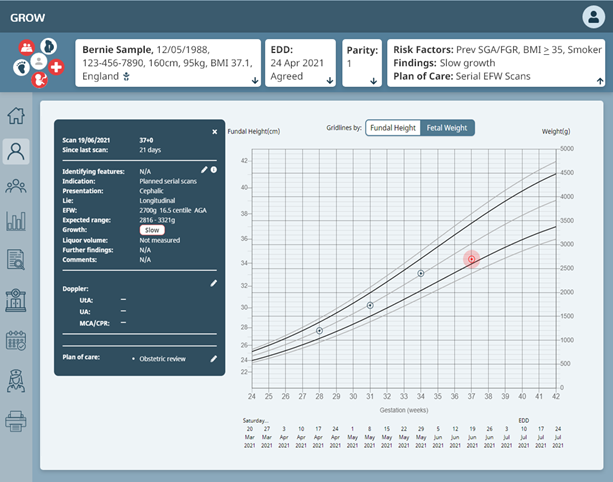
The Growth Assessment Protocol (GAP) is an international, award winning program which aims to improve safety in maternity care and outcome of pregnancy, including perinatal mortality and morbidity, with the predominant focus on improving antenatal recognition of pregnancies at risk due to fetal growth restriction.
GAP consists of evidence based guidelines and risk assessment algorithms, education and accreditation of all staff involved in clinical care, and rolling audit and benchmarking of performance. For further information and links to evidence and resources, please see www.perinatal.org.uk/GAP
In Aotearoa New Zealand, GAP is commissioned nationally by Te Whatu Ora . Thanks to a concerted effort by DHBs and clinicians including midwives, obstetricians and sonographers, all expectant mothers are now being cared for with evidence based maternity guidelines, including New Zealand antenatal growth charts which are customised according to each individual pregnancy’s characteristics. The GAP Terms of Service is detailed here: Terms of service. Resources include:
Recent NZ results have shown a substantial increase in the health service’s ability to detect antenatally if the baby’s growth is unsatisfactory, which allows further investigation and timely delivery if necessary. Significant progress in this regard has been made across ethnic groups in New Zealand.
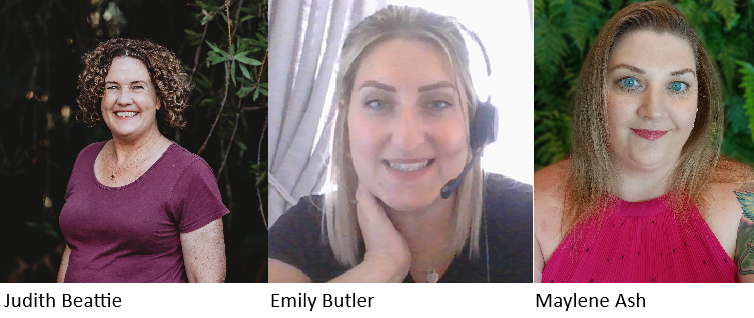
GAP Team: The service is delivered by the UK Perinatal Institute GAP team led by Emily Butler, in association with the GAP NZ coordinators Judith Beattie and Maylene Ash. The team support champions from each of the Districts across Aotearoa.
The Perinatal Institute and Te Whatu Ora are working with various stakeholders which include representation from RANZCOG, NZCOM, RANZCR, Ministry of Health and mothers.
Plans for 2026: We are continuing to work with Health New Zealand (Te Whatu Ora) and the NZ GAP Advisory Group to ensure the GAP programme is consistently implemented across Aotearoa. Our shared goal is to improve perinatal health and achieve better outcomes for wāhine/people hapū (pregnant women and birthing people) and pēpi (babies).
What’s Ahead in 2026
If you are interested in hosting a workshop in your region, please contact Judith and Maylene at nz@perinatal.org.uk